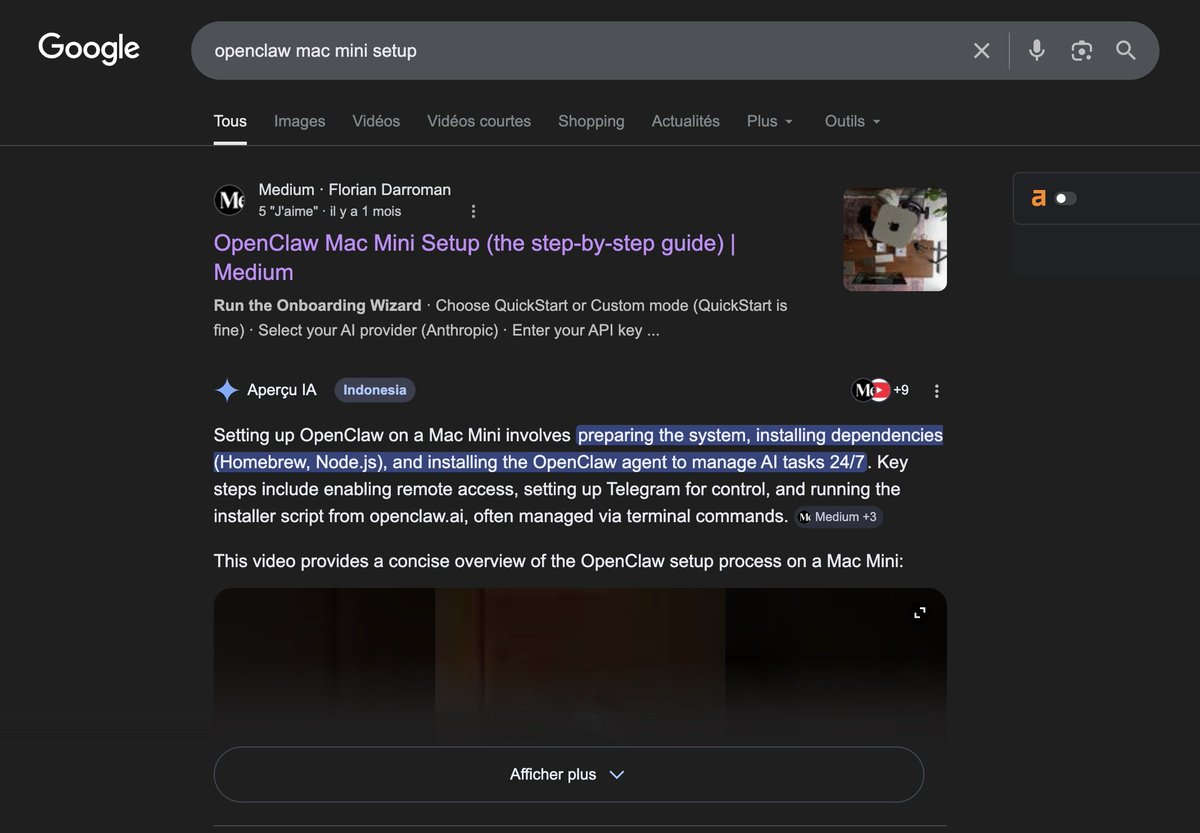
Why does Medium rank so fast on Google?
Medium has massive domain authority built up over years. When you publish there, Google already trusts the domain, so new articles can appear in search results within 48 hours — something a brand-new website can't do.
This is useful if you're a solo founder or small business without an established site, or if you want to test whether a keyword drives buying traffic before investing in a full content strategy.
How do you find the right keywords to target?
Skip broad informational terms. You want keywords with buying intent — phrases people search when they're close to making a decision.
Look for:
- "best [product type] for [use case]"
- "[product] vs [competitor]"
- "[product] review"
- "where to buy [product]"
- "[problem] solution"
Use a free tool like Google Keyword Planner or the autocomplete in Google Search to find these. Aim for keywords with lower competition where Medium-style content can realistically rank.
What should the article actually contain?
Write a genuine, useful article — not a thinly veiled ad. Google's helpful content guidelines penalize content that exists only to sell. The article needs to answer the search query well.
A structure that works:
- Address the problem the searcher has
- Explain what to look for in a solution (this is where you build trust)
- Mention your product or service in context, with a clear link
- Include a comparison or FAQ if the keyword warrants it
The link back to your product should feel natural, not forced. If you're writing a "best tools for X" article, your product belongs in the list alongside honest comparisons.
Does this actually work at scale?
According to Ahrefs' content marketing research, pages on high-authority domains rank for 3x more keywords on average than equivalent content on newer domains. Medium's domain rating sits above 90, which puts it among the most trusted publishing platforms online.
The approach works best when:
- Your product targets a niche with specific search terms
- The keyword has clear commercial intent but isn't dominated by big e-commerce sites
- You can write something genuinely more useful than what's already ranking
What are the limits of this approach?
You don't own the traffic. If Medium changes its monetization rules, restricts external links, or loses domain authority, your rankings can disappear. Think of this as a fast channel for early traction or testing demand — not a long-term content strategy.
Also, Medium adds its own internal links and suggestions around your content. Readers may get pulled away before clicking through to your product.
Use this to:
- Validate that a keyword drives real traffic before building your own content infrastructure
- Get early SEO traction while your own site builds authority
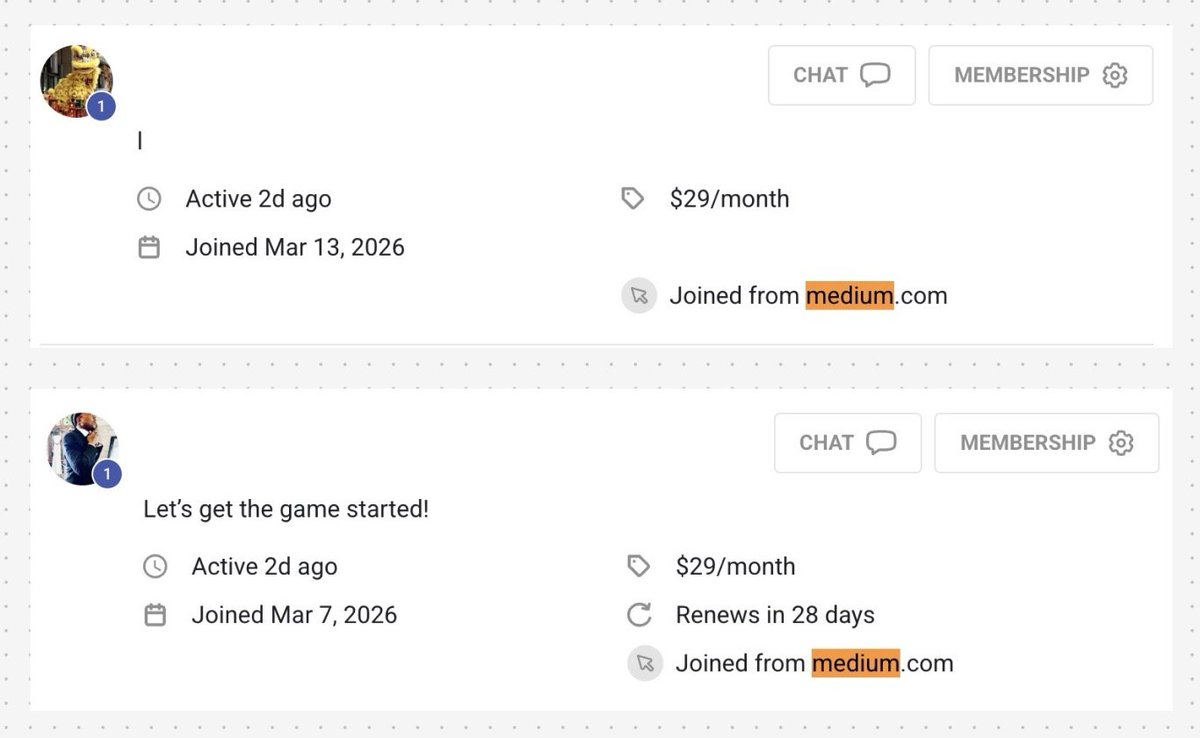
- Generate a few hundred dollars a month from organic search with minimal setup
The setup takes a few hours. Pick one buying-intent keyword, write a 600-1000 word article on Medium, link to your product, and check Google Search Console after a week to see if impressions start appearing.